QUAIL
Quail बट्टाई
The quail (Coturnix ypsilophora), also known as the swamp quail, silver quail and Tasmanian quail, is an Australasian true quail of the family Phasianidae. It is a small, ground-dwelling bird and is native to mainland Australia, Tasmania and Papua New Guinea and has been introduced to New Zealand and Fiji. Widespread and common throughout its large range, the brown quail is evaluated as being of "least concern" by the International Union for Conservation of Nature on the IUCN Red List of Threatened Species.
Description
The brown quail is a plump, stocky bird growing to a length of 17 to 22 centimetres and weight of 75 to 140 grams. The color is quite variable over the bird's wide range. The male is reddish-brown speckled with black on the head and upper neck and mainly reddish-brown on back and wings. The underparts range from buff or rufous to brown, but always with fine black chevron-shaped barring. The tail is short, dark brown with yellowish barring. The female is similar but rather paler. There are small black spots on the shoulder of the female and the upperparts are barred with dark chevron-shaped markings.
The voice consists of a variety of shrill calls with which the birds communicate as they move through dense vegetation. One call is a double whistle, the latter note ascending.
Distribution and habitat

The quail is distributed in agricultural areas, wet grasslands, shrub lands, spinifex savannah, and freshwater wetlands across much of New Guinea and the Lesser Sunda Islands as well as in northern, eastern, south-eastern and south-western Australia and Tasmania, though absent from arid regions. This species has been introduced to Fiji and New Zealand. In Australia it is mostly a lowland species but in New Zealand it is found at altitudes up to 1,000 metres (3,300 ft) and in New Guinea up to 3,700 metres (12,000 ft).It was introduced to New Zealand in the 1860s and 1870s and is now present in North Island and certain offshore islands. This introduction, and other quail introductions that failed to establish, may have played a part in the demise of the New Zealand quail, an endemic species that became extinct shortly afterwards, possibly because of a lack of resistance to some new disease.
Biology
The brown quail is a ground-dwelling bird that prefers to hide or run rather than fly. It is found in small groups and feeds on grasses, seeds, shoots and small invertebrates. If the group is startled and take to the air, the birds scatter by flying in different directions, regrouping when the danger has passed.[4]
Quails form breeding pairs in the spring. There is an extended breeding season with clutches of half a dozen or more eggs being laid in a shallow scraped nest lined with grasses on the ground, often concealed in a grass tussock or shrubby bush. These are incubated by the female for the three-week incubation period. The newly hatched chicks are precocial and are cared for by both parents for a while, with the male taking on the caring role after two weeks to allow the female to start on the next clutch of eggs.
Status
The brown quail has a very wide range and is common in much of that range. The International Union for Conservation of Nature has assessed its conservation status as being of "least concern". Although the population has not been quantified, and may be declining slightly, it does not seem to be at such a rate as to warrant listing the species in a more threatened category.
Types of Quail
Quail species distribution presents a bit of a riddle. While all 15 or so quail species prefer to inhabit forests and woodlands, each quail variety shows somewhat different features resulting from the birds’ environmental adaptations. During mating season, quail often gather with family groups that can reach 100 birds. Quail are fast offspring producers, capable of mating at 2 months of age and hatching eggs in less than a month’s time.
1. Bobwhite Quail
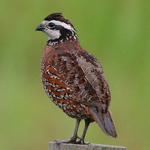 Bobwhite quail, the most common quail species, have achieved notoriety for their memorable “bob-white” call. Bobwhites also hold the distinction as the top game bird of the southern and eastern United States. Wildfowl hunters flush bobwhite quail from habitats that include brush, fields, woods and weeds east of the Rocky Mountains. This far-ranging bird species has established a footprint beyond the United States, as bobwhite quail also inhabit Canada and Mexico.
2. Button Quail
 Button quail have scratched out a distinctive niche among bird breeding enthusiasts. Chinese painted quail, the most commonly kept button quail species, originated in Southeast Asia, Australia and Africa. These smallish quail adapt well to outdoor aviaries, or bird habitats, where they scour the enclosures’ floors for seeds. Button quail also romp in branches on aviary floors and often take dust or sand baths to clean themselves. These quiet, agreeable birds mesh well with other aviary dwellers, making button quail desirable for large and small enclosures.
3. Japanese Quail
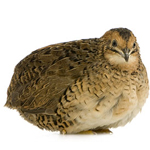 Quail farmers have discovered Japanese quail, often found in large numbers in East Asian habitats. In the United States, niche farmers raise Japanese quail for their eggs, considered a delicacy in many restaurants and among a growing number of consumers. While Japanese quail prefer grassland environments, these speckled brownish birds adapt quite well to enclosures that include sand for dust baths and bushy branches for camouflage.
4. California Quail
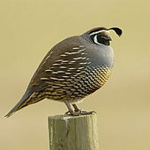 California quail are well adapted to California’s chaparral, coastal sagebrush and high desert habitats. These skittish birds scratch along the ground in groups, sounding a distinctive “chi-ca-go” call as they move along. California quail maintain a 70 percent vegetarian diet that includes seeds, flowers, leaves and birdseed from convenient backyards. These opportunistic birds also consume mites, beetles and caterpillars. This arid-habitat quail species often gathers moisture from insects and water-containing vegetation. During long, blistering heat waves, California quail must find drinking water as well.
5. Mountain Quail
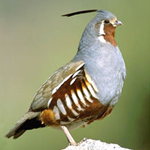 The largest quail species found in the United States, Mountain quail possess a unique characteristic of two straight feathers that arch over the back. These birds are easily recognized by their top knots, which are shorter in the female. They have a brown face and heavily white-barred underside.
6. Gambel’s Quail
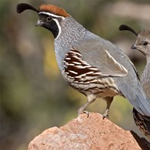 Also known as desert quail, Gambel’s quail are located in dry regions of the southwestern United States. Gambel’s quail are easily recognized by their top knots and scaly plumage on their undersides. They have gray plumage on their bodies, and males have copper feathers on the top of their heads, black faces, and white stripes above their eyes.
7. Scaled Quail
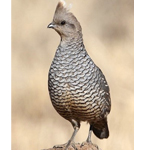 Also known as blue quail, Scaled quail are known for their blue scaled appearance. Along with its scaly markings, the bird is easily identified by its white crest that resembles a tuft of cotton
8. Mearn’s Quail
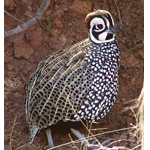 With the smallest range in the United States, the Mearn’s quail is found in southern Texas, New Mexico, Arizona, and Mexico. They live in mountain areas populated with oak and juniper trees, as well as grasslands. Often referred to as Montezuma quail, they have a unique coloration of feathers which aids in their means of camoflauge.
Quail(बट्टाई) farm
Farming Nepal > Poultry farms > Quail farm
Quail farm in Nepal

Quail farming in Nepal is going popular between farmers, raising quail for meat and eggs. Quails are smallest species of poultry bird, very easy for farming and very rich in protein but still only few farmers’ practice commercial quail farming in Nepal. Quail farm Quails poultry are short cycle birds it matures early and start laying eggs in the sixth week in this way it is better to improve the economic condition of Nepali farmers.
Demands of Quail meat and eggs are increasing rapidly because of its Health Benefits. Quail is the smallest species of poultry birds, all kinds of weather condition is suitable and easy for farming. Quail farming is very profitable farming need small capital and labor but give good return no other commercial birds performs this well. Common weighs of quail about 140grams when mature, they matured in 6 weeks and lay around 300 eggs a year.
Before start a quail farming it is necessary to know about quail food, care, diseases, breeds and farm management. Organic farm Nepal offers Quail farming training on these topics as well as a practical knowledge for all interested farmers at quail farm. If you interested for training, internship and farm tours or would like to buy free raised quail, meat, eggs fell free to contact us 9866845889\9806935997.
Demands of Quail meat and eggs are increasing rapidly because of its Health Benefits. Quail is the smallest species of poultry birds, all kinds of weather condition is suitable and easy for farming. Quail farming is very profitable farming need small capital and labor but give good return no other commercial birds performs this well. Common weighs of quail about 140grams when mature, they matured in 6 weeks and lay around 300 eggs a year.
Before start a quail farming it is necessary to know about quail food, care, diseases, breeds and farm management. Organic farm Nepal offers Quail farming training on these topics as well as a practical knowledge for all interested farmers at quail farm. If you interested for training, internship and farm tours or would like to buy free raised quail, meat, eggs fell free to contact us 9866845889\9806935997.
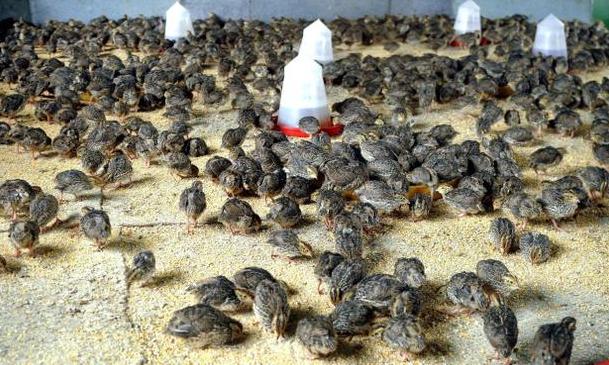
Benefits of Quail Farming
Quails are smaller sized poultry birds, and it’s very easy to handle them. The main benefits of starting quail farming business are listed below.- Quail farming needs small capital, and labor cost is very low.
- Meat and eggs of quail are very tasty, delicious and nutritious. So it’s a great source of food and nutrition.
- It takes about 16 to 18 days to hatch their eggs.
- They start laying eggs within their 6 to 7 weeks of age.
- Quails grow very fast and gain maturity faster than any other poultry birds.
- Diseases are less in quails, and they are very hardy.
- Feeding cost of quails are comparatively lower than chickens or other poultry birds.
- Quails are smaller sized bird, so they can be raised within small place.
- Quails are very strong bird and diseases or other health problems are less. So risks are less in this business.
- Quail meat contain less fat. So, it is suitable for high blood pressure patients.
- Their food to meat or eggs converting efficiency is satisfactory. They can produce one kg meat or eggs by consuming three kg food.
- You can raise 6 to 7 quails in the same place that is required for one chicken.
- As the quail eggs are smaller in size, so the price is also lower than other bird’s egg. As a result, all types of people can buy quail eggs and you can easily sell the eggs.
- As the primary costs are less, so you can start this business with a very little investment.
- You can raise about 6 to 8 quails within 0.91 squire meter area.
- As it is a lucrative business venture, so commercial quail farming business can be a great source of income and employment for the unemployed educated people. Even, you can start raising a few quails along with your current profession.
Staring Quail Farming Business
As quails are smaller sized poultry birds, so it’s very easy to establish a quail farm. Make a proper quail farming business plan before starting. And work according to the plan. A proper business plan should include breeds, housing, feeding, care and marketing strategies. Here we are shortly describing every steps.
Select Quail Breeds
Currently 18 species of quail are available some of them are famous for egg production and some are famous for meat production. There are two types of quail breeds ; Broilers and layers.
Layer Quail Breeds
- Tuxedo
- Pharaoh
- British Range
- English White
- Manchurian Golden
Broiler Quail Breeds
- Bobwhite (American)
- White Breasted (Indian)
Housing
Housing is very important for quail farming. Follow the instructions mentioned below while making house or cages for your quails.
Housing is very important for quail farming. Follow the instructions mentioned below while making house or cages for your quails.
- Quail can be raised in both litter and cage systems. But quail farming in cage system is more suitable than raising them in deep litter system. In cage system, management is very easy and diseases or other problems are less.
- Make a proper ventilation system and ensure proper flow of air and light inside their house.
- You can raise 50 quails in a cage measuring 120 cm length, 60 cm wide and 25 cm height.
- Use wire net for making their cages.
- Measurement of the net would be 5 mm x 5 mm for adult quails.
- Plastic cages are most convenient for quail farming business.
- The house must have to be out of the reach of wild animals. Also prevent all types of predators.
Feeding
For keeping your quails healthy, proper growing and highly productive, provide them balanced feed regularly. An adult quail consumes about 20 to 25 grams of food daily. Chick feed should contain 27% and adult feed 22-24% of protein.
For keeping your quails healthy, proper growing and highly productive, provide them balanced feed regularly. An adult quail consumes about 20 to 25 grams of food daily. Chick feed should contain 27% and adult feed 22-24% of protein.
Egg Production
Presence of adequate light is highly recommended for desired egg production from your quails. You can provide artificial light and heat by using electric bulb or heater. You can use 40 to 100 watt bulb for this purpose. Demand of light and heat varies depending on the season. If you want successful breeding and want to hatch their eggs, then keep one male with every five female quails. For getting better egg production, select highly productive breeds and always keep their house dry and clean. Egg production also depends on temperature, feeding , water, care and management. To get desired egg production from your quails, light play a vital role. Lightening period of laying quails is shown below through a chat.
Presence of adequate light is highly recommended for desired egg production from your quails. You can provide artificial light and heat by using electric bulb or heater. You can use 40 to 100 watt bulb for this purpose. Demand of light and heat varies depending on the season. If you want successful breeding and want to hatch their eggs, then keep one male with every five female quails. For getting better egg production, select highly productive breeds and always keep their house dry and clean. Egg production also depends on temperature, feeding , water, care and management. To get desired egg production from your quails, light play a vital role. Lightening period of laying quails is shown below through a chat.
Age
|
Temperature (o Celsius)
|
Light (Hour)
|
1 Week
|
35
|
24
|
2 Week
|
30
|
24
|
3 Week
|
25
|
12
|
4 Week
|
21-22
|
12
|
5 Week
|
21
|
12
|
6 Week
|
21
|
13
|
7 Week
|
21
|
14
|
8 Week
|
21
|
15
|
9 Week
|
21
|
16
|
Other Time
|
21
|
16
|
Raising Quail Chicks
Quails never incubate their eggs. So, you can produce chicks by hatching their eggs through chickens or artificially through using incubators. Incubation period for quail egg is about 16 to 18 days.For maximum egg production, 16 hours of lighting period is required daily inside the quail house. Keep newly born quail chicks in a brooder house. Chicks need artificial heat and temperature management system for 14 to 21 days from their birth. Quail chick become very sensitive. They can be raised in both litter and battery system. Keep in mind the following factors while raising quail chicks.
Quails never incubate their eggs. So, you can produce chicks by hatching their eggs through chickens or artificially through using incubators. Incubation period for quail egg is about 16 to 18 days.For maximum egg production, 16 hours of lighting period is required daily inside the quail house. Keep newly born quail chicks in a brooder house. Chicks need artificial heat and temperature management system for 14 to 21 days from their birth. Quail chick become very sensitive. They can be raised in both litter and battery system. Keep in mind the following factors while raising quail chicks.
- Adequate temperature
- Sufficient light
- Proper air movement
- Density of quail chicks
- Supply of food and water
- Hygienic rearing rules
Provide the layer quail chick heat and light according to their age. Follow the chart shown below.
Baby Age
|
Temperature (o Celsius)
|
Light (Hour)
|
1 Week
|
37.7
|
24
|
2 Week
|
35
|
24
|
3 Week
|
32.2
|
12
|
Diseases
Diseases are less in quails, compared to other poultry birds. But you have to take good care and manage them properly, to keep them free from all types of diseases or illness. Good care and management is a must for profitable quail farming business. Generally they are not provided any disease preventive vaccines. Quail chicks can’t tolerate weather change, and sudden temperature change. So they get affected by disease, if they experience sudden temperature or weather changes. Be very careful during this period. Following diseases are very harmful for the quails.
Diseases are less in quails, compared to other poultry birds. But you have to take good care and manage them properly, to keep them free from all types of diseases or illness. Good care and management is a must for profitable quail farming business. Generally they are not provided any disease preventive vaccines. Quail chicks can’t tolerate weather change, and sudden temperature change. So they get affected by disease, if they experience sudden temperature or weather changes. Be very careful during this period. Following diseases are very harmful for the quails.
- Coccidiosis: If the quails get affected by coccidiosis disease, serve them coaxial 20 by mixing with water (two grams per litter) for three days. Otherwise feed this according to the advice of a veterinarian.
- Ulcerative Enteritis: Mix one gram streptomycin with one litter water and serve it to the quails for three days. This will stop ulcerative enteritis disease.

Health Benefits of Quail Eggs
Even it comes in small sizes, quail egg packed with lots of nutrient which provide many benefits to the body and it has been proven by some studies. The benefits of quail eggs are listed below
1. Prevent diabetes
Who knows that quail egg can prevent diabetes? Study reported that quail egg contains amino acid particularly Leucine which can help in regulating blood sugar level and maintain the balance level of insulin that makes it a good food to prevent and treat diabetes.
2. Improve Vision
Quail Egg consists of impressively high level of vitamin A, which means that it helps to protect our vision and eye health. The antioxidant activity of vitamin A help to reduce macular degeneration and prevent the development of cataracts, helping you see better for longer!(1)
3. Raise Energy Levels
The long list of minerals and micronutrients found in these tiny eggs, as well as the protein boost of nearly 6 grams per serving, makes these eggs particularly good for an early morning surge of energy and mood. A high-protein, nutrient-dense breakfast is extremely recommended for those who often feel dependent on caffeine or other stimulants to regulate their energy levels.(2)
4. Maintain healthy skin
Quail eggs are an excellent source of protein and it contains Lysine, an amino acid that helps to promote the collagen production. Collagen is a type of proteins that is required in keeping skin layer tightness and prevents it from sagging and wrinkle.
5. Promote brain function
Quail eggs contain amino acid and great protein level which can help to encourage the brain function and nourish the nerve system in brain so it can work better. The amino acid or protein in quail eggs also safeguard the brain cells from damage and repair the cell if its broken.
6. Reduce Blood Pressure
There are a number of essential minerals found in quail eggs, and potassium happens to be one of them. Although the cardio-protective effects of quail eggs is still under heavy research, the presence of potassium means blood pressure-reducing abilities, as this mineral acts as a vasodilator, relieving strain and stress on the arteries and blood vessels. There is also more potassium in quail eggs than in normal chicken eggs.(3)
7. Increase Metabolism
The range of B-family vitamins found in quail eggs result in boosted metabolic activity throughout the body, including hormonal and enzymatic function. By ensuring smooth bodily processes and organ functions, quail eggs can be far more than a delicious treat!(4)
8. Promotes healthy hair
Quail Eggs is quite beneficial for promoting healthy hair. Quail egg contains many amino acids especially the Linoleat acid that can nourish the hair roots and promote healthy hair growth.
9. Prevent anemia
Study show that women who consume quail egg frequently tend to have lower risk of developing anemia. Quail eggs contain iron which can help in red blood cell formation and prevent anemia while the amino acid in quail egg also may increase the level of haemoglobin within the red blood cells. The haemoglobin itself is a protein which play important role in oxygen and nutrient binding as well as transportation through all parts of the body.
10. Enhance body development
Protein is the main body building block and it is essential in the development process of the body particularly in children. Quail contains high amount of protein which may encourages body development and it also promotes better organs function within the body.
11. Maintain healthy teeth
Quail eggs specially the yolk part contain many minerals including Zinc which is required in maintaining healthy teeth.
12. Balance Cholesterol
There are a good amount of beneficial fatty acids found in quail eggs that many people enjoy due to their heart-boosting effects. HDL cholesterol is the “good” form of cholesterol that our body needs to offset the negative effects of LDL cholesterol, and HDL makes up more than 60% of the fat in quail eggs. However, for people with pre-existing cholesterol problems, adding large quantities of these eggs to your diet might not be the best choice, as there is roughly 1.6 grams of saturated fat in each serving.(5)
13. Cleanse the Body
Detoxifying the body is important, mainly in a world filled with toxins, pollutants, and heavy metals. Studies have shown that adding these eggs to your diet can help eliminate toxins from the blood stream, as help to reduce the size of bladder stones and kidney stones.(6)
14. Relieve depression
Quail eggs don’t only contain vitamin, mineral, carbohydrate and protein. It is also completed with some sex hormones according to study by Daniel in 2010. Quail eggs contain anti-depression properties that called as hormone P which is quite effective in relieving depression especially in women who suffer from menopause syndrome.
15. Prevents Bladder Stones
Quail eggs are good for improving your kidney, liver and gallbladder health. Quail eggs also inhibit the growth of bladder stones and help break them down. The eggs are rich in Lecithin, which helps break down bladder stones.(7)
16. Reduce the risk of heart disease
Quail egg contains important nutrients and vitamins that can reduce the risk of heart disease by 24% according to study by Lee et al in 2010. This benefits served by the presence of Vitamin E or tocopherol.
17. Soothe Allergies
Quail eggs are naturally high in ovomucoid protein, which acts in the body as a natural anti-allergenic. Therefore, if you are suffering from congestion, inflammation, or other symptoms of allergic reactions, quail eggs can get your body back to normal.(8)
18. Purify the blood
Quail egg has been proved can help the body to remove certain heavy metals and toxin such as mercury. The amino acid and other component of quail eggs can bind the toxin and flush it away from the body. This make quail eggs as blood purifier.
19. Stimulate Growth
Just like with regular chicken eggs, quail eggs provide a solid boost of protein to the diet, which we need for countless processes in our body. Proteins are broken down into their constituent components and reformed for new cells, tissue, muscle, bone, and blood vessels. The protein punch of these eggs can ensure healthy and normal growth/repair.(9)
20. Prevent Chronic Disease
Antioxidants are crucial components of human health, as we are constantly battling free radicals that cause chronic disease and cancer. Quail eggs possess significant levels of vitamin C and vitamin A, which can help to neutralize those free radicals and protect your overall health.(10)
21. Build muscle
The high protein content of quail egg makes it perfect as a food for building muscle. If you want to have great muscle tone you can consume quail eggs regularly and taking exercise as well.
22. Promotes sexual function
It has been mentioned before that quail eggs contains some sexual hormones which can enhance the sexual organs function such as prostate gland in male.
23. Treat gastritis
Quail egg contains anti-inflammatory properties that can help in treating stomach ulcer or gastritis. The amino acid content of quail egg also help in repair the broken lining of stomach that caused by infection.
24. Cough and Asthma Remedy
Quail eggs have been used for eons to treat various remedies such as asthma and coughs. Not only that, they have been used since ancient civilization to treat psoriasis and eczema. The beneficial qualities of quail eggs have led to the commercialization of the eggs. You can obtain the benefits the quail eggs in capsules.
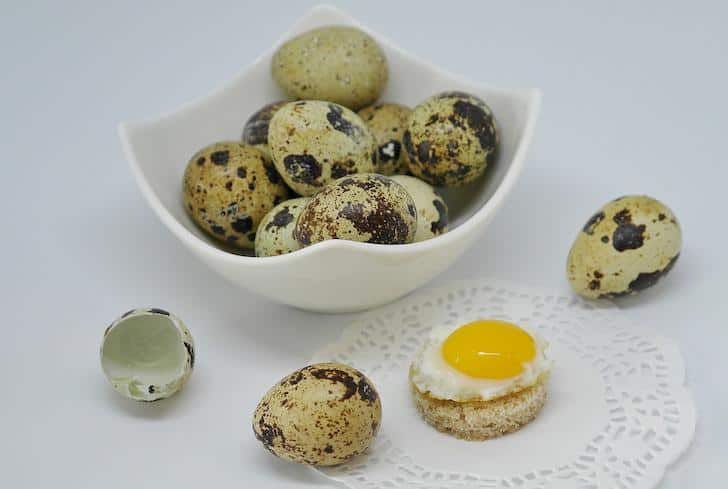
Benefits of Quail Eggs for kids
Due to the essential nutrient contents, quail eggs offer plenty of health benefits to your child.
1. Improves Immunity & Memory
Quail eggs are known to help your child grow a strong defense system and immunity. These eggs help in increasing the level of hemoglobin and also help your child’s body to get rid of the toxins and any other metal compounds. Quail eggs also take care of your child’s kidney, liver and gallbladder. If your child is suffering constantly from different forms of allergies and ailments then offering him/her with quail eggs will definitely help in the cause of preventing them.
Quail eggs are also known to increase brain activity and improve the sense of memory. Introducing quail eggs in your child’s regular diet might help him/her score higher in the class quizzes.
2. Cures Cough and Asthma
Does your child suffer constantly from cough and asthma related problems? Then it is about time you consult your pediatrician and ask for his/her suggestion for introducing quail egg to your child. Quail eggs contain the vital nutrients which will help your child fight repetitive problems of cough and asthma. Also the high protein contents helps in boosting the overall immunity of your child.
3. Boosts the formation of Red Blood Cells
Iron rich food alternatives like quail eggs boost the formation of red blood cells in your child. Also at the same time, the presence of essential minerals like potassium in quail eggs essentially helps your child maintain a healthy growth rate of bones, teeth and nail.
4. Reduces Chances of Terminal Illness
Quail eggs are indeed super-food for your little ones as they often tend to curb any potential chance of causing terminal illness, in the form of heart diseases, arthritis and even cancer, in your child. You might not even know that your child is suffering from low level of potassium intake and that eventually leads to such terminal illnesses in the later stages of their lives. However, daily or regular intake of quail eggs will boost that extra level of potassium in your child’s body and will eliminate any chances of terminal diseases from its very root.
How to Consume Quail Eggs
When you want to promote your general health, it is recommended to eat them in raw form. The raw egg has stronger health benefits than cooked one.
Remember to wash them carefully and if possible in boiling water. A raw egg is not very tasteful; mix it to an orange, mango or pineapple juice to make it more pleasant.
These eggs have high content of lysozyme that helps to kill harmful bacteria thus they are resistant to infections. So do not worry when you eat them in raw form.
How to Eat
- You can enjoy the delicate taste of boil egg by making its as many dishes such as omelet, or use is as substitute of chicken egg in many other dish that require egg.
- Add some quail egg on your soup, stew or even salad to get more benefits.
- You can serve it in many ways including boiled, pan fried or even baked.
- The small quail eggs are cooked hard or semi-hard and mixed into salads or aspic foods.
- It is also excellent for poached egg.
Traditional Uses and benefits of Quail Egg
- Chinese use quail eggs to help treat tuberculosis, asthma, and even diabetes.
- If you are a sufferer of kidney, liver, or gallbladder stones quail eggs can help prevent and remove these types of stones.
- A whipped egg applied to the hair, leaves it looking shiny, glossy and adds volume to the hair.
Other Facts
- Experts say children eating quail egg are less inclined to suffer from infectious diseases.
- Quail egg nutritional value is three to four times greater than chicken eggs.
- Quail Egg is almost twice smaller than chicken egg.
- Its shell also can be made as ornaments, just like the ostrich eggs are.
- Certain species of quails have plume (also known as topknot), shaped like a teardrop, on top of the head. It bobs when bird is walking.
- Quails are able to fly short distances, but they spend most of their time on the ground.
- Quails can be active during the day (diurnal animals) or night (nocturnal animals), depending on the species.
- Quail is an omnivore (eats other animals and plants). Its diet consists mainly of seeds, leaves, wheat, barley, berries and occasionally from grasshoppers and worms.
- Quails produce high pitched sounds, cackles and grunts that are used for communication.
- Quails bath in the dust to eliminate pest from the feathers and to keep their plumage clean.
- Female lays from 1 to 12 (usually 6) brightly colored eggs that hatch after incubation period of 23 days.
- They look dead when they sleep.
- Female quails start laying eggs within their 6 to 7 weeks of age and continuously lay one egg daily.
- You can raise 6 to 7 quails in the same place that is required for one chicken.

Side Effects
There is no side effect reported after consumption of quail egg including allergic reaction, since quail egg is save and doesn’t rise any allergic reaction. But even so, it is suggested to not consume quail egg more than twenty eggs per day.

Side Effects
Thank you !!
Comments
Post a Comment